The Studio Ghibli AI Trend: A Wake-Up Call for Responsible AI Use
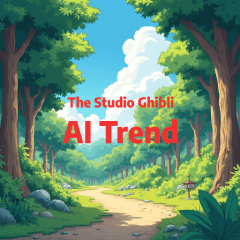
The Rise of AI-Generated Ghibli Art If you’ve been on social media lately, you’ve probably seen the stunning Ghibli-style AI-generated artworks. These pieces mimic the iconic hand-drawn aesthetics of Studio Ghibli, and while they are visually impressive, they spark an important question: where do we draw the line between inspiration and exploitation?
Many of these AI models are trained on existing artworks without the consent of the original artists. This raises serious ethical concerns about intellectual property, fair compensation, and the devaluation of human creativity. When AI scrapes the internet for training data without permission, it’s essentially using other people's hard work without giving credit or compensation.
The Consequences of Irresponsible AI Use
- Devaluing Artistic Labor – If AI-generated art becomes the norm, companies might prioritize cost-efficient automation over hiring human artists, leading to job loss and a decline in original creative work.
- Intellectual Property Theft – Many AI tools are trained on copyrighted works without permission, making it a gray legal area that can harm individual artists and the industry.
- Homogenization of Creativity – AI models generate art based on patterns from existing works, which can lead to repetitive and uninspired content, stifling true creativity.
Ethical AI Use: Alternatives That Make a Difference
- AI as a Collaborative Tool: Instead of replacing artists, AI can be used as an assistant to enhance creativity, helping with ideas, compositions, or refining details while keeping the human touch intact.
- Transparency & Consent: Ethical AI models should be trained on datasets where artists have willingly contributed, ensuring proper attribution and compensation.
- Supporting Human Creators: Instead of relying solely on AI-generated art, why not commission artists? Platforms like ArtStation, DeviantArt, and Etsy are full of talented creators who can bring unique visions to life.
The Moral Aspect: Balancing Innovation and Ethics Just because we can automate creativity doesn’t mean we should do it without ethical considerations. Innovation should serve humanity, not exploit it. Responsible AI use means acknowledging the efforts behind creativity and ensuring that technology empowers rather than replaces artistic expression.
AI is here to stay, but its impact on creative industries depends on how we choose to use it. Are we going to respect and uplift artists, or will we let automation erode the value of human creativity? The choice is in our hands.